Dramaturgy is the art and craft of dramatic composition and theatrical representation. Dramaturgs serve as creative collaborators, researchers, and story architects who help shape theatrical productions, develop scripts, and bridge the gap between historical context and contemporary audiences. Whether you're developing new work, adapting existing material, or seeking deeper narrative analysis, these specialists bring scholarly insight and creative vision to enhance storytelling across theatre, film, and digital media projects.




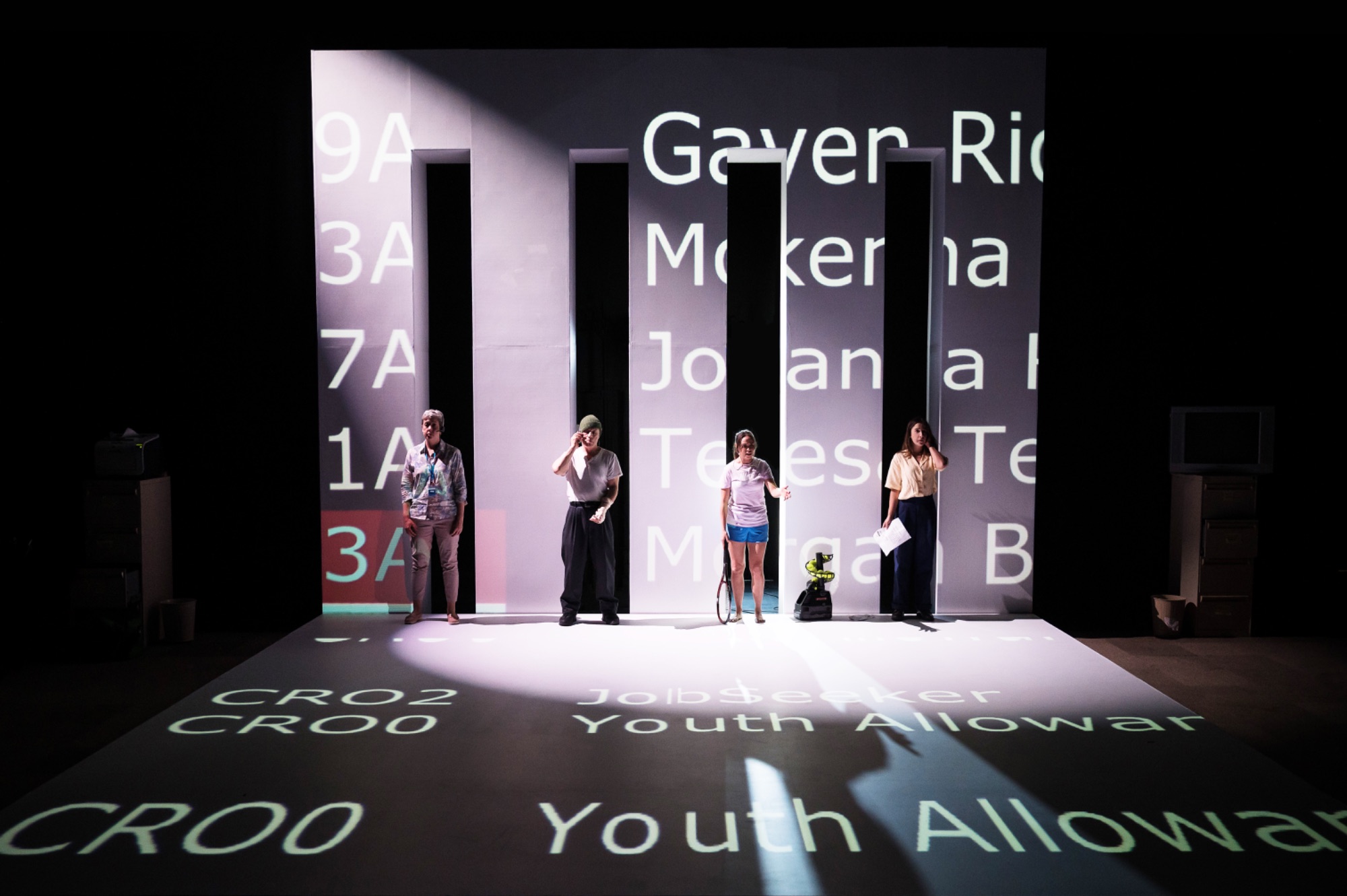



WEST: Storytelling Through Theatre and Movement
Renata Commisso

Let's Fly
Renata Commisso
Dramaturgy is the craft of analysing and developing the structural, conceptual and theatrical foundations of a performance work, working collaboratively with directors, playwrights and companies to strengthen scripts, clarify intention and deepen the relationship between form and content. Dramaturgists work across new writing development, devised theatre, dance theatre, physical performance and interdisciplinary work.
A dramaturg is most valuable when engaged early in a production's development process, before the work's shape is fixed. Blue Mountains dramaturgists work with local theatre makers, independent companies and festival producers, bringing rigorous thinking and collaborative skill to the development of new and existing work.
How can a dramaturg help improve my theatre production?
A dramaturg provides critical analysis and research support throughout the development of your theatrical work, helping to strengthen narrative structure, historical accuracy, thematic coherence, and character development. They act as an informed outside eye during rehearsals, offering feedback on script clarity and ensuring your artistic vision translates effectively to audiences. In the Blue Mountains creative community, dramaturgs often collaborate with playwrights, directors, and theatre companies to deepen the intellectual and emotional impact of productions.
Do I need a dramaturg for a small-scale or independent theatre project?
Even small productions can benefit significantly from dramaturgical support, especially when dealing with new writing, historical subjects, or culturally specific material that requires research and sensitivity. A dramaturg can help independent artists refine their work before committing to full production costs, identifying structural issues or unclear storytelling elements early in the development process. Many Blue Mountains dramaturgs offer flexible consulting arrangements suited to modest budgets and independent projects.
What's the difference between a dramaturg and a director?
While directors focus on staging, performance, and the visual realisation of a script, dramaturgs concentrate on the text itself, its context, themes, and intellectual framework. The dramaturg serves as a research specialist and script advisor, working closely with the director and creative team to ensure the production's conceptual foundation is solid. You can explore both dramaturgs and other theatre professionals through our Performing Arts directory.
When should I engage a dramaturg in my theatre project timeline?
The ideal time to bring a dramaturg on board is during early script development or pre-production planning, allowing them to contribute research and structural feedback before rehearsals begin. However, dramaturgs can also provide valuable insight during rehearsals if questions arise about interpretation, context, or audience accessibility. For new works especially, involving a dramaturg from the first draft stage can save significant time and revision later in the creative process.