
Camera operators bring stories to life through expert cinematography and visual storytelling. These skilled professionals handle everything from corporate videos and documentaries to weddings and creative projects, using technical expertise and artistic vision to capture compelling footage. Whether you need smooth tracking shots, dynamic angles, or steady handheld work, a professional camera operator ensures your vision translates beautifully to screen with polished, broadcast-quality results.








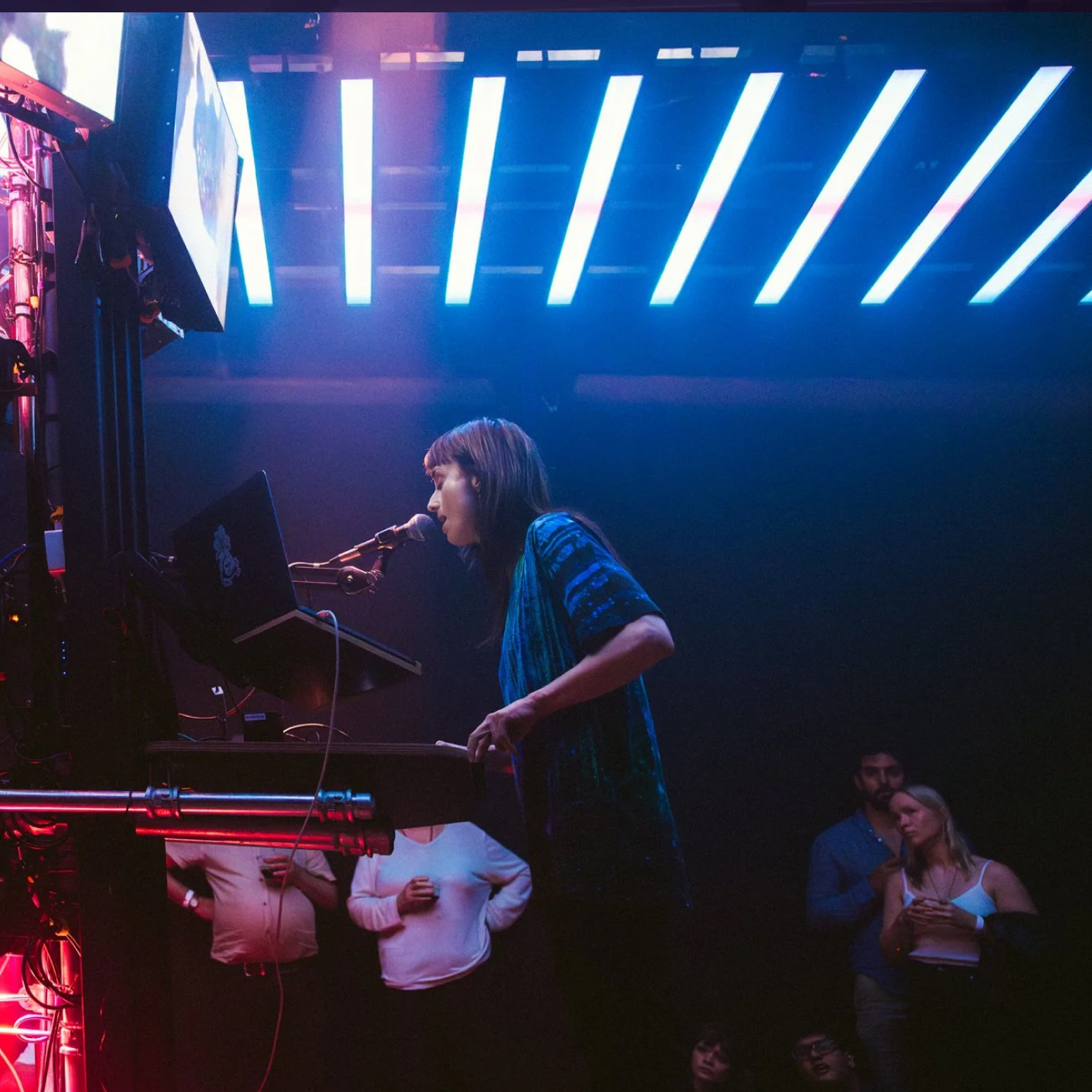

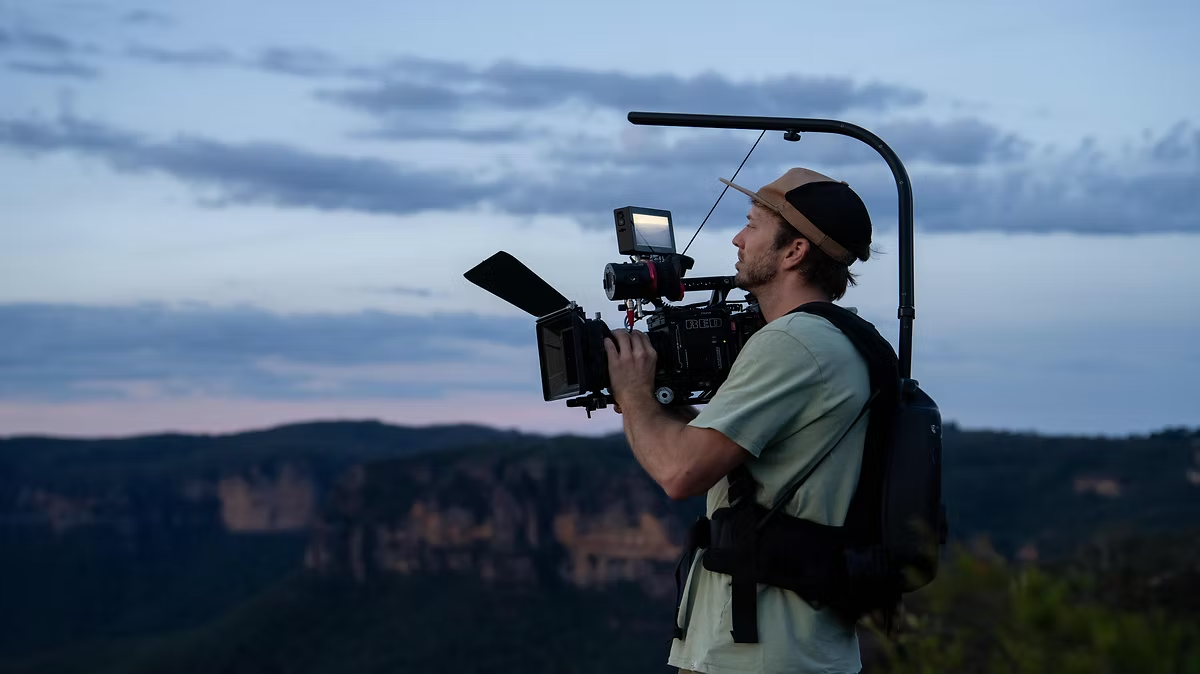




Camera operators work directly with the camera during production, executing the cinematographer's vision through framing, movement, focus and exposure. On smaller productions, the camera operator and cinematographer may be the same person; on larger productions, dedicated camera operators allow the cinematographer to focus on broader visual decisions and communication with the director.
Blue Mountains camera operators work across feature and short film, television, documentary, commercial and corporate production. When hiring a camera operator, confirm their experience with the camera system being used, their understanding of the shooting style required, and whether they own their own camera package or will be operating on a hired rig.
What's the difference between a camera operator and a cinematographer?
While the terms are sometimes used interchangeably, a camera operator typically focuses on the physical operation of the camera during filming, following the director's and cinematographer's vision. A cinematographer (or director of photography) makes broader creative decisions about lighting, shot composition, and visual style. Many camera operators work as part of a larger crew on productions, while on smaller shoots in the Blue Mountains, one person might fill both roles.
Do I need a camera operator for a small business video or local project?
Hiring a professional camera operator can significantly elevate the quality of your content, even for smaller projects. They bring technical expertise in camera movement, framing, and focus control that's difficult to achieve without training and experience. For promotional videos, documentaries, or event coverage in the Blue Mountains region, a skilled camera operator ensures smooth, professional footage that represents your business or project at its best.
How do camera operators in the Blue Mountains charge for their services?
Camera operators typically charge either a day rate or half-day rate, which may or may not include their equipment. Rates vary based on experience level, the complexity of the shoot, and whether specialized equipment like gimbals, sliders, or drone operation is required. Many operators in our Screen directory offer package rates for multi-day shoots or can work within different budget ranges for local productions.
Can camera operators also handle the editing and post-production?
Some camera operators offer post-production services, but many specialize solely in camera operation and work alongside dedicated editors. If you need end-to-end video production, it's worth asking during your initial consultation whether your camera operator provides editing, or you may need to hire separately. You can explore other professionals in our Screen directory who specialize in editing and post-production to complete your project.