Land art transforms outdoor spaces into stunning environmental artworks that harmonize with natural landscapes. These visionary artists create site-specific installations using earth, stone, plants, and organic materials to enhance gardens, public spaces, and wilderness areas. Whether you're seeking a sculptural garden feature, ecological restoration project, or large-scale environmental installation, land artists bring unique expertise in merging artistic vision with landscape design principles.


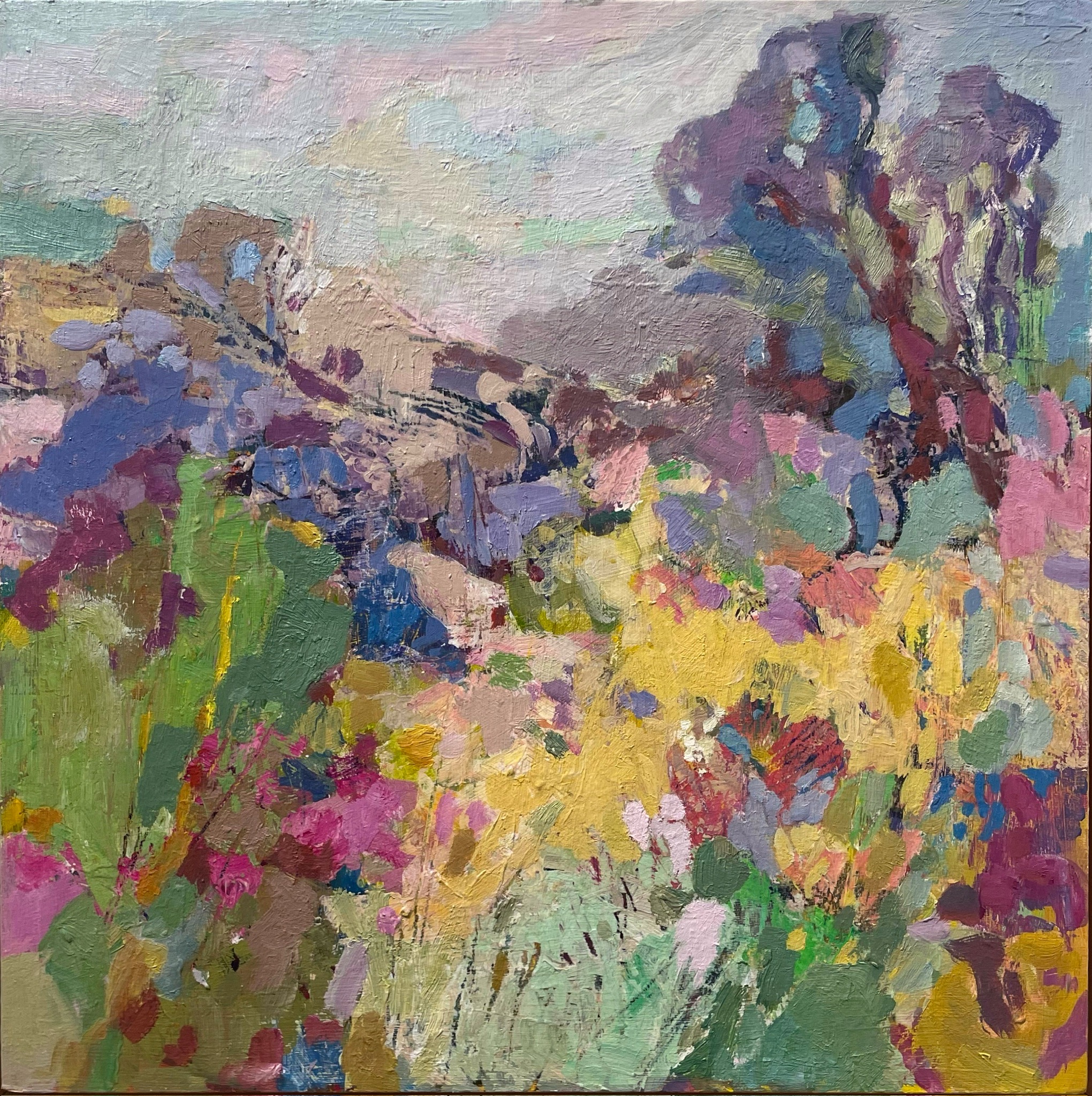

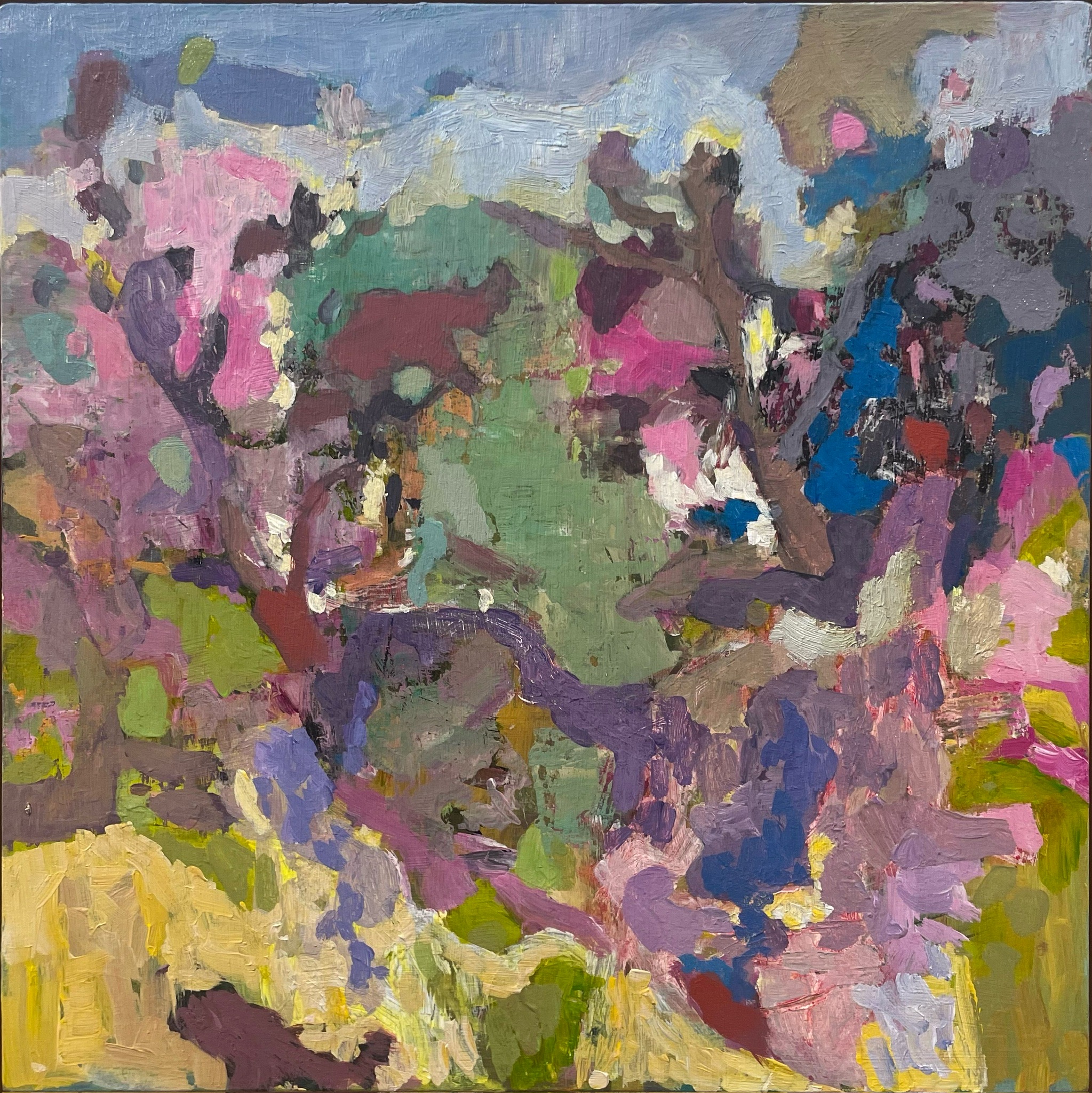
In the company of colour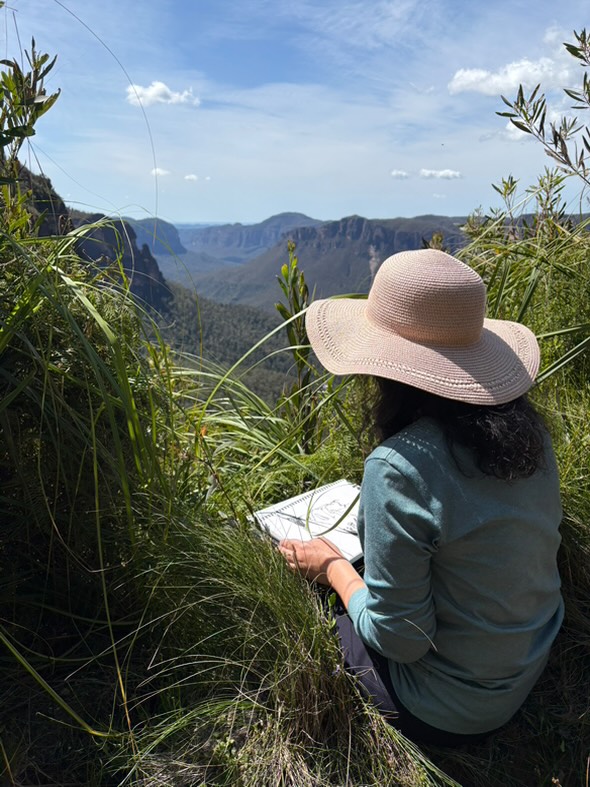
Pip Alevras
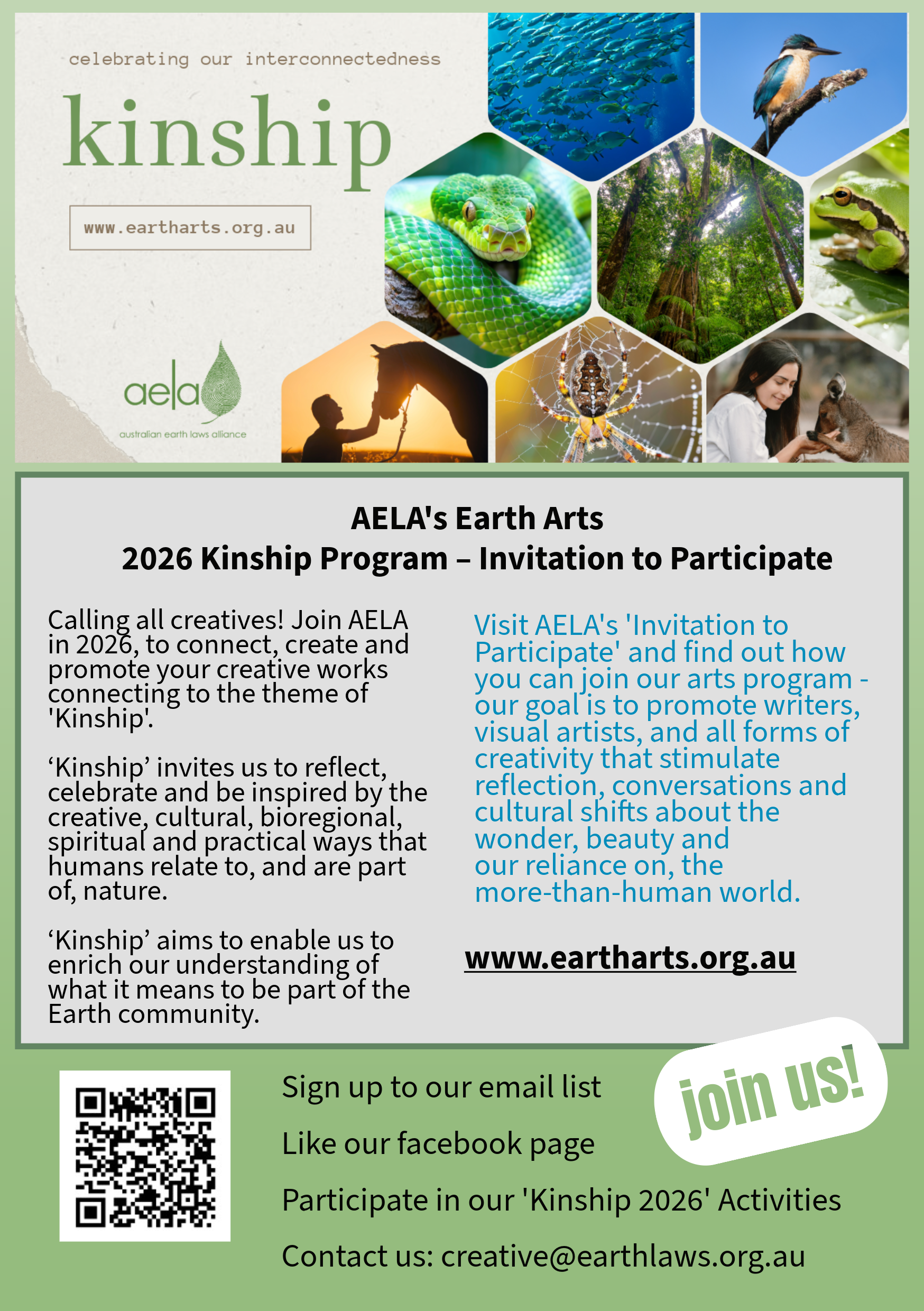
Earth Arts Program
Dawn Mills

Emergence sculpture
Sharron Mountain

Ceramic totem
Sharron Mountain
Land art creates works in direct relationship with the landscape, using natural materials, earthworks, site modification or ephemeral interventions to make art that is inseparable from its location. Blue Mountains land artists engage with one of Australia's most extraordinary natural environments, producing works that are often temporary, documentation-based or experienced only by those who travel to the site.
Land art commissions require close consultation with landowners, local councils and, where relevant, National Parks, as site access, environmental impact and conservation obligations must be considered. The Blue Mountains landscape offers rich contexts for land art practice, with ancient geology, World Heritage-listed ecosystems and a long history of human engagement with the land.
How is land art different from traditional sculpture?
Land art is created directly in the landscape using natural materials like rocks, soil, branches, and plants, often on a large scale that transforms the environment itself. Unlike traditional sculpture that can be moved to galleries or collections, land art is site-specific and typically ephemeral, designed to change and eventually return to nature over time. Many land artists in the Blue Mountains work with the region's unique sandstone formations, eucalyptus forests, and seasonal creek beds as both canvas and medium.
Can land art be commissioned for private properties in the Blue Mountains?
Yes, several land artists in our region create commissioned works for private gardens, rural properties, and estates. These projects might include stone cairns, earth mounds, planted interventions, or site-specific installations that respond to your landscape's unique characteristics. Browse our Visual Arts directory to find land artists whose work aligns with your vision and property.
Do land art installations require council approval?
It depends on the scale, location, and permanence of the work. Small-scale installations on private property generally don't require approval, but larger earthworks, interventions in bushland, or pieces in public spaces may need development consent or environmental assessment. Land artists experienced in the Blue Mountains area can guide you through local council requirements and help ensure your project complies with bushfire and environmental regulations.
Where can I see examples of land art in the Blue Mountains?
The Blue Mountains has hosted several land art festivals and installations over the years, though many works are ephemeral by nature. Some artists maintain documented portfolios of their temporary installations, while others create more permanent pieces on private properties or in sculpture parks. Check individual artist profiles in our MTNS MADE member search to view portfolios and discover whether they offer studio visits or can direct you to viewable works.