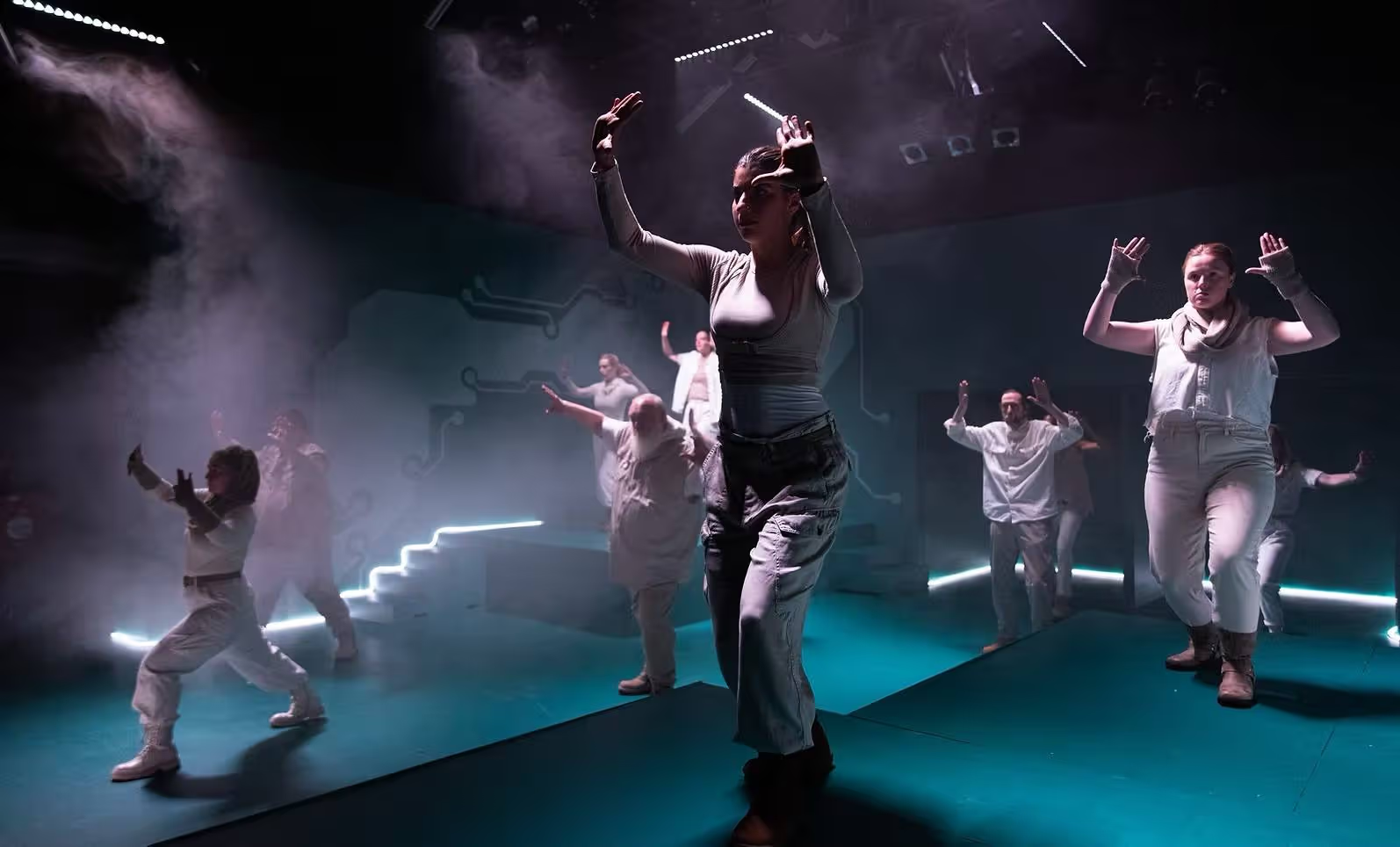
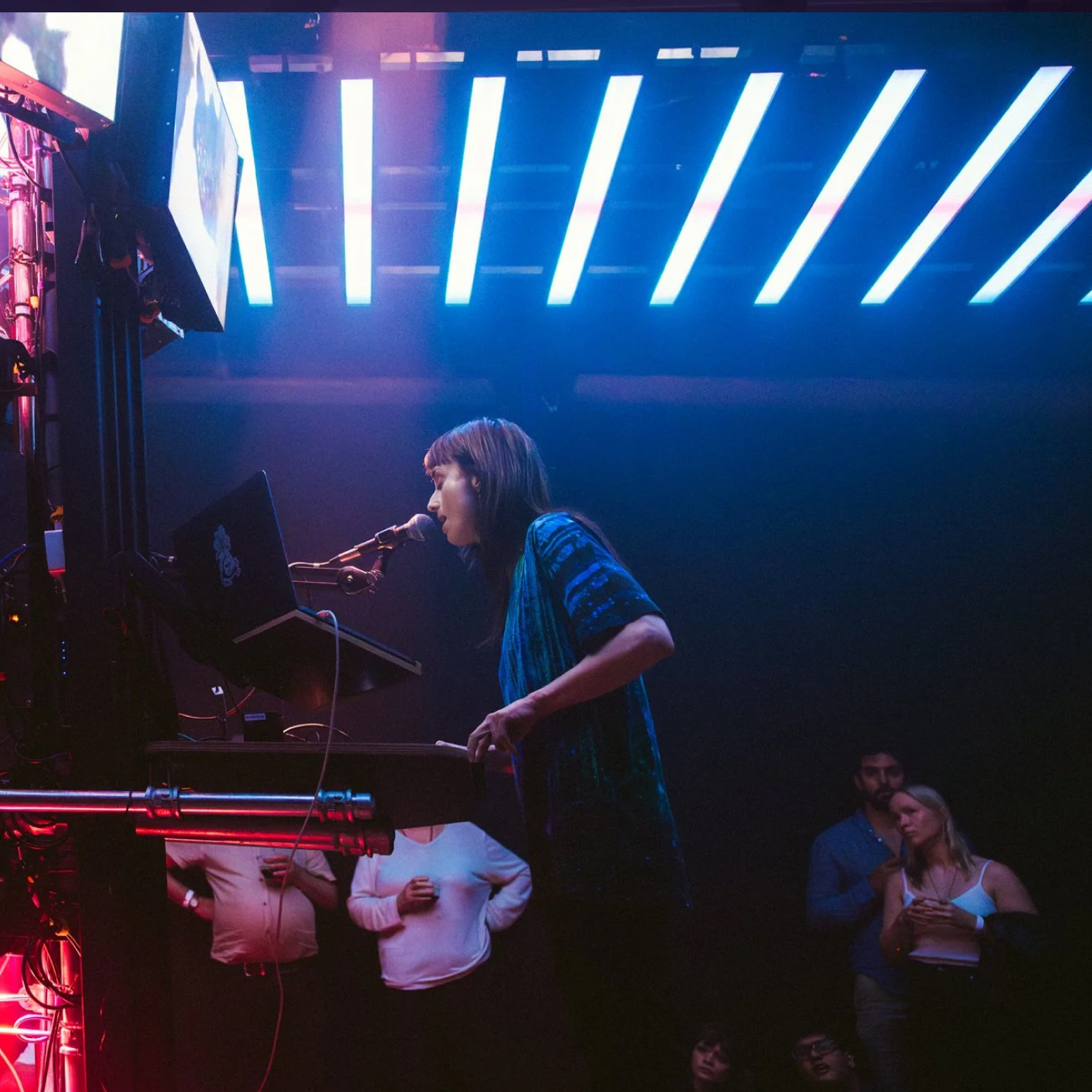
Drama education develops creative expression, communication skills, confidence, empathy and collaborative thinking through theatre games, script work, improvisation, devising and performance. Blue Mountains drama educators work with children, young people and adults in school programs, private tuition, community drama classes and intensive workshops.
Drama education is particularly valuable for building confidence in children who struggle socially, as it develops empathy and communication skills alongside creative expression. When finding a drama educator, ask about their approach to nervous or shy students, their experience with the specific age group, and whether the program builds towards a performance or presentation.
How can drama education benefit my child's development?
Drama education offers children valuable skills beyond performance, including improved communication, emotional intelligence, critical thinking, and collaboration abilities. Through improvisation, character work, and storytelling, students build confidence, empathy, and creative problem-solving skills that transfer to academic subjects and social situations. Many drama educators in the Blue Mountains incorporate local stories and outdoor spaces into their teaching, creating unique learning experiences connected to the region.
What age groups do drama educators in the Blue Mountains typically work with?
Drama educators in the region work with a diverse range of ages, from early childhood programs (4-5 years) through to teenagers and adults. Some specialists focus on school-age children and offer term-based classes or holiday workshops, while others provide professional development for aspiring actors or therapeutic drama programs for specific age groups. Browse our Creative Education directory to find educators whose age specializations match your needs.
Are there drama education options for homeschooling families?
Yes, several drama educators in the Blue Mountains offer classes specifically designed for homeschooling families or flexible daytime sessions that accommodate alternative education schedules. These programs often focus on collaborative ensemble work, giving homeschooled students opportunities to develop performance skills and social connections with peers. Contact individual educators to discuss how their programs can complement your homeschooling curriculum.
Do drama teachers in this area focus only on performance, or do they teach other aspects?
Drama educators in the Blue Mountains typically teach a holistic approach that extends well beyond stage performance. Programs often include scriptwriting, directing, technical theatre skills, voice work, movement, and drama therapy techniques. Many educators also specialize in process drama, where the focus is on exploration and learning through drama rather than creating a polished performance, making it accessible for students of all confidence levels.